Introduction
Healthcare spending has become one of the most significant yet often underestimated drivers of the U.S. economy. While it does not always receive the same attention as sectors like technology or finance, its influence is both broad and structural. In 2026, as demographic and technological trends continue to evolve, healthcare remains a central force shaping economic growth, labor markets, and inflation dynamics simultaneously.
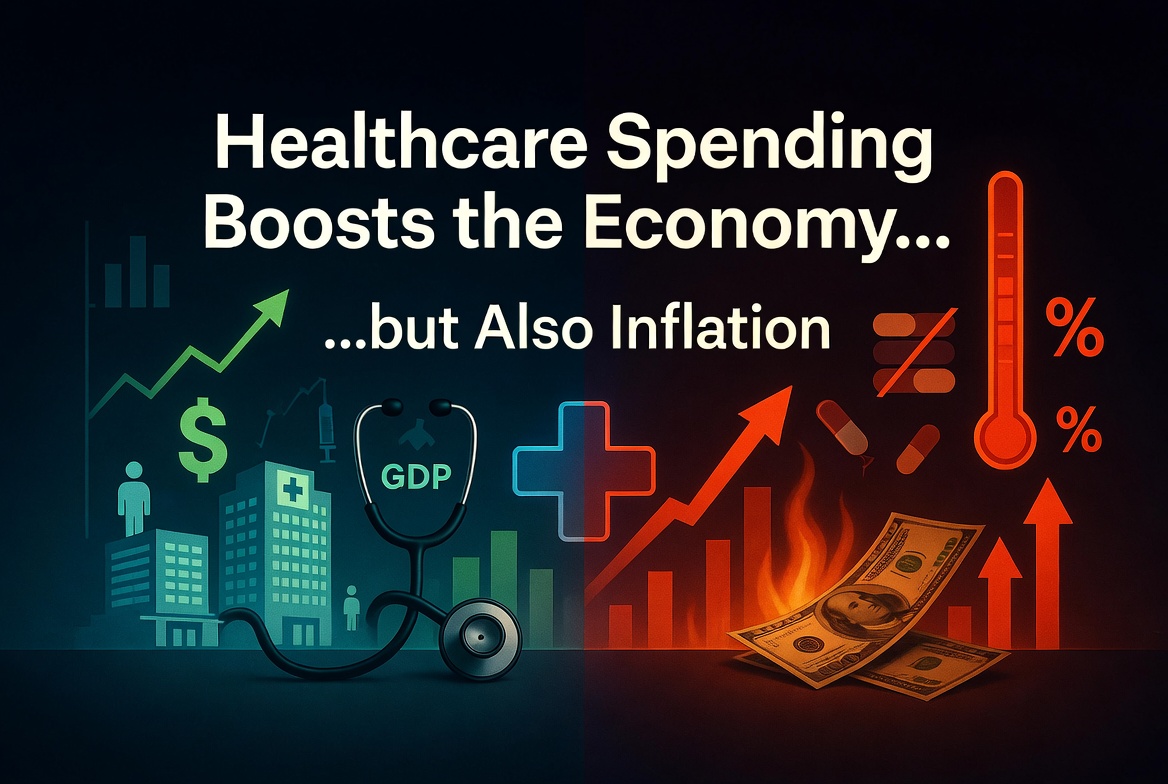
Its dual nature—supporting economic activity while also contributing to rising costs—makes it a uniquely complex sector within the broader economy.
Growth in Healthcare Spending
Over the past decade, healthcare spending in the United States has grown at a steady and persistent pace. This trend is expected to continue as several long-term structural factors remain in place.
One of the most important drivers is population aging. As the share of older individuals increases, demand for medical services, long-term care, and chronic disease management rises accordingly. Older populations typically require more frequent medical attention, more specialized treatments, and greater use of healthcare infrastructure overall.
At the same time, technological innovation has expanded the scope of medical care. Advances in diagnostics, pharmaceuticals, surgical procedures, and digital health systems have improved outcomes, but they often come with higher costs. New treatments are frequently more effective but also more expensive to develop and deliver.
In addition, rising operational costs in hospitals and healthcare systems—such as staffing, equipment, and regulatory compliance—continue to contribute to overall spending growth.
Together, these factors ensure that healthcare remains one of the most consistently expanding sectors of the economy.
Impact on the Economy
Healthcare spending plays an important role in supporting overall economic activity. It generates millions of jobs across a wide range of professions, including doctors, nurses, researchers, administrative staff, and technology specialists. This makes it one of the largest employment sectors in the country.
It also stimulates investment in infrastructure, research, and innovation. Hospitals, clinics, pharmaceutical companies, and biotechnology firms all contribute to economic output and technological progress. In this sense, healthcare functions not only as a service sector but also as a major engine of innovation.
Companies such as UnitedHealth Group and Pfizer play a significant role in this ecosystem, reflecting the scale and importance of the industry within the broader economy.
However, this positive contribution to growth comes with important trade-offs. As healthcare expands, it also absorbs an increasing share of total economic resources, which can place pressure on other sectors and on household budgets.
Relationship with Inflation
Healthcare is a key component of major inflation indices, meaning that changes in medical costs have a direct impact on overall price levels in the economy. Because it represents a large and growing share of consumer spending, even moderate price increases in healthcare can significantly influence inflation data.
A key characteristic of healthcare spending is its inelasticity. Unlike discretionary goods, healthcare is essential. Consumers cannot easily reduce their demand for medical services, even when prices rise. This makes the sector particularly important in sustaining upward pressure on inflation.
In addition, many healthcare costs tend to rise due to structural factors rather than short-term fluctuations. This includes long-term wage growth in the healthcare workforce, regulatory requirements, and continuous technological advancement.
As a result, healthcare inflation often behaves differently from other categories of spending, making it more persistent and harder to reduce through conventional economic tools.
Consequences for Citizens
For households, rising healthcare costs represent a growing financial burden. Insurance premiums, out-of-pocket expenses, and co-payments continue to increase, even for individuals with stable coverage. These rising costs reduce disposable income and limit financial flexibility.
Middle- and lower-income households are particularly affected, as healthcare expenses consume a larger portion of their budgets. This can lead to difficult trade-offs between medical care and other essential or discretionary spending.
Over time, these pressures can affect savings rates, financial stability, and overall quality of life. Even when income levels rise, the real benefit may be reduced if healthcare costs grow at a faster pace.
Future Outlook
Looking ahead, healthcare spending is expected to continue its upward trajectory. Demographic aging will remain a dominant force, and technological innovation is likely to further expand the range and cost of available treatments.
At the same time, policy discussions around efficiency, pricing, and access will become increasingly important. Governments, insurers, and providers will face pressure to balance three competing objectives: improving quality of care, maintaining accessibility, and ensuring long-term economic sustainability.
This balancing act will become more complex as demand continues to grow and fiscal constraints become more visible.
Conclusion
Healthcare spending is both a cornerstone of the U.S. economy and a persistent source of inflationary pressure. It supports growth through employment, innovation, and investment, but it also places increasing strain on households and contributes to long-term price pressures.
In 2026 and beyond, the evolution of the healthcare sector will play a critical role in shaping economic outcomes. How effectively the system manages cost growth while maintaining quality and access will be a key factor in determining the broader balance between economic stability and inflation control.